Professional Staff
Available 24 hours
Desk of ACS
Thrissur MCH’s Unmatched Disaster Response During Thrissur Pooram Tragedy
Kerala Health has taken a huge effort to identify each major festival at Panchayath, block and in the district. In order to motivate all field functionaries, some of the foundational initiatives such as Pandemic Preparedness Plans, disaster management plans, festival management plans were taken to strengthen the health system. Since Nov 2025, specific meetings at the state and district level were conducted. As per the requirement capacity building sessions at district level as well as at the ‘Learning site- Alappuzha’ were conducted.
— Dr. Rajan N. Khobragade IASAdditional Chief Secretary for Health & Family Welfare and AYUSH
New Announcements
Announcements & News

Applications Invited for the State Ayurveda Award
The 14-storey building at RCC to begin operations by early February
Special institute in Kozhikode for organ transplant surgeries and treatment
Pathanamthitta General Hospital provides advanced stroke treatment to 200 patients
₹18.87 crore for comprehensive stroke centres in medical colleges

- 275 Health Institutions in Kerala Accredited with National Quality Assurance Standards
Dated : 14 October 2025
- Ayushman Utkrishtata Purashkar 2023 - SHA
Dated : 17 July 2025
- Patent for Government Dental College, Thrissur
Dated : 25 June 2025
- QAS Accreditation for Government College of Nursing, Kottayam
Dated : 25 June 2025
- Kerala's Healthcare System Shines Again with National Recognition
Dated : 09 February 2025

- The Ayurvedic Perspective on Aging: A Comprehensive Review
Dated : 08 May 2026
- Sustainable Development Goal 3 - Good Health and Well-being
Dated : 08 May 2026
- Kerala’s Progress Towards Reducing Maternal Mortality, SDG Indicator 3.1
Dated : 08 May 2026
- Kerala’s Progress in Reducing Child Mortality, SDG Indicator 3.2
Dated : 08 May 2026

Departments


Organisations









Star of the Month
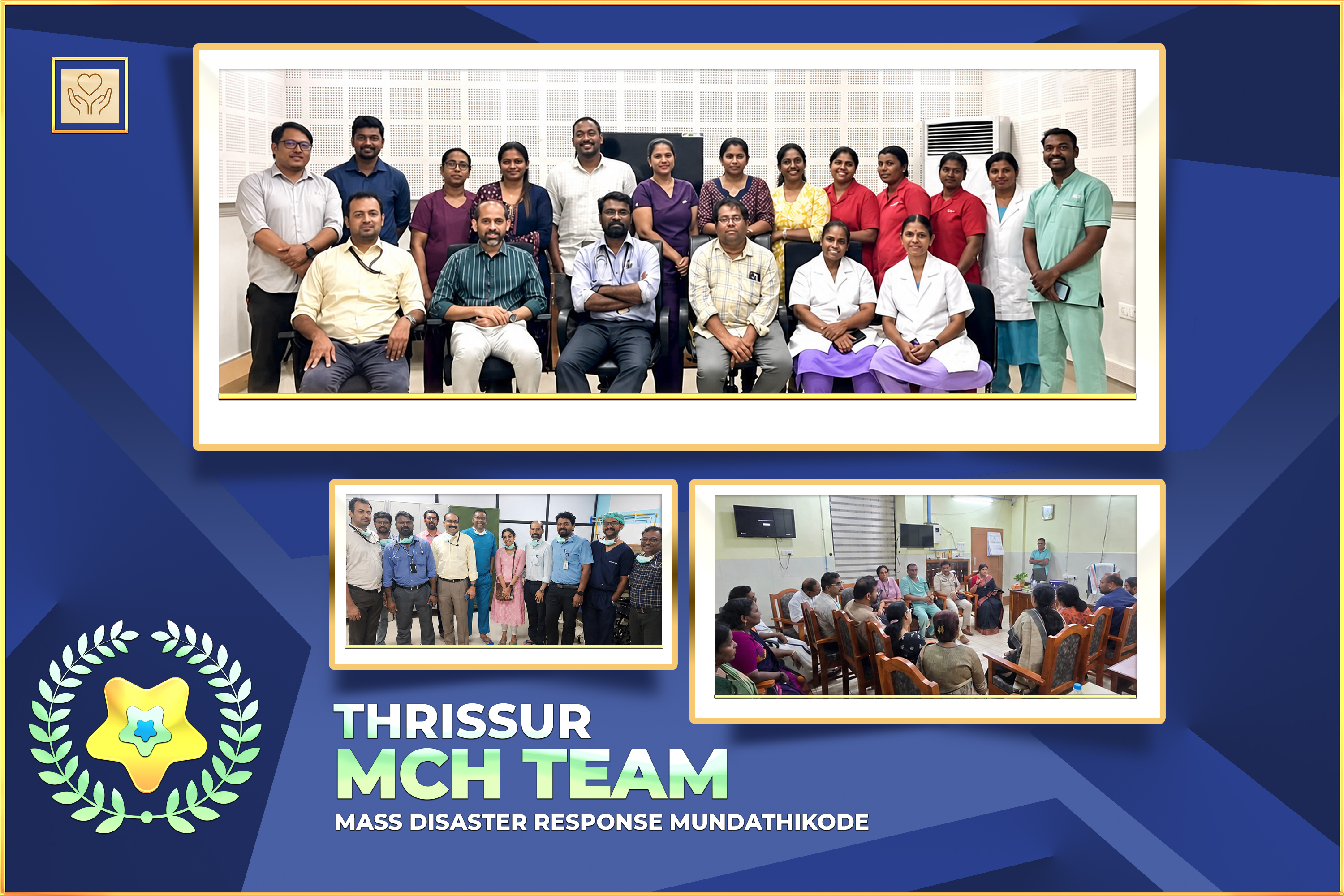
Thrissur MCH’s Unmatched Disaster Response During Pooram Tragedy
DISASTER
Thrissur pooram preparation were in full swing and all plans were discussed at various levels. The incident began with a call from Dr. Hridesh Shankar at approximately 3:20 PM, while Dr Ravi was returning from a District Collectorate meeting concerning the Pooram disaster management plans.
RESPONSE TRIGGER
Dr Ravi immediately suspected it was close to the Medical College, specifically Mundathikode, where the fireworks for Thiruvambadi are arranged. He contacted Dr. Santhosh, the Superintendent in charge, and they immediately initiated the Disaster response mechanism at Medical College Thrissur.
The Kerala Health has taken an initiative to prepare all major Festival disaster management plans, Pandemic Preparedness plans. The plan was prepared by the District regarding how to respond during such disasters and a half day workshop was conducted in MCH on 21.03.2026 involving all the health functionaries of MCH and DHS. The detailed Festival Disaster management plan was released by Dr Rajan Khobragade IAS Addl Chief Secretary HFW. Based on the Thrissur Puram Plans prepared by the team, a generic template was prepared and shared to all the districts
to prepare Festival specific, location specific management plans.
The prepared Thrissur Puram plan has come handy and messages were dispatched to all Heads of Departments and the Surgery Department group to mobilize resources, immediately activating the Emergency Medicine disaster management protocol. Every one’s roles were well defined and the plan was ready to scale up through Rapid response team MCTCR.
Dr. Akhil, Assistant Professor in charge of Emergency Medicine, was present, and the team received a rapid influx of residents, students, and doctors from various departments, including Surgery, Anesthesia, Orthopedics, General Medicine and all sections of Leads and support staff.
DISASTER RESPONSE ACTIONS
The team’s immediate priority was managing the red zone, which is one of the largest in Kerala with 28 intensive care beds designated for emergency trauma patients. The existing patients were swiftly transferred to different ICUs. This was a tremendous effort by the Medicine team, as most patients were under their care; Assistant Professors and medical postgraduates personally assisted with these transfers to clear the red zone for incoming burn victims.
Simultaneously, the major Burns Unit was activated. This high-end facility, centrally funded and set up by the Government of India in collaboration with the Government of Kerala, was inaugurated two years ago and provides excellent burn care in central Kerala. Under the Department of Plastic Surgery, led by Dr Kalesh and his Team Dr.Roshjo and Dr Suneesh reinforced their teams to ensure an average of three doctors per patient.
The nursing staff was fully mobilised, including nurses whose shifts had ended, alongside nursing assistants and students. Medical students and available residents also volunteered their assistance. For each patient, the doctor's team maintained a ratio of six doctors, three nurses, and three support staff. A strict protocol was established: patients were resuscitated in the red zone, ventilated, and investigated. We dedicated a specific CT scanner solely for imaging these patients. The Head of Anaesthesia and his team managed resuscitative efforts alongside Emergency Medicine, while the surgical team was led by Dr. Ravindran, Professor of Surgery and Team Surgery. All patients were admitted, allowing for a streamlined team approach.
Commendable leadership was demonstrated by Principal Dr. Indu, Superintendent in charge Dr. Santhosh, Dr. Shiby (the RMO), the Nursing Head, and Dr Ravindran. Crowd management was effectively handled by security staff who returned to work immediately after their breaks. Security personnel, Kudumbashree workers, and temporary employees all assisted in receiving patients, supporting staff, controlling crowds, and facilitating transfers. By 7 PM, all patients were stabilized, moved to the Burns Unit, and handed over to the specialized expert team. Theaters were activated, and all necessary surgical operations for burn care were successfully performed.
ADDITIONAL SUPPORT
Additional support teams were mobilised by the state monitoring unit through DHS and DME from Palaghat, Ernakulam, Kottayam , Kozhikode and Trivandrum to support the team in Thrissur.
MANAGEMENT OF DECEASED AND BODY PARTS
Concurrently, a separate team managed the deceased. Received nine bodies and roughly 30 assorted body parts in succession. The Forensic team, led by Dr. Hithesh Shankar and supported by medical students and hospital staff under the Principal's supervision, did an outstanding job. They worked past midnight until 2:30 AM to complete all forensic formalities through a well-coordinated mechanism supported by numerous volunteers.
There were 9 bodies and more than 38 parts received on Day 1 and near 108 parts on day 2 and day 3 . 4 persons reportedly missing. By direct intervention from Addl Chief Secretary, the team was mobilized from Rajiv Gandhi institute of Biotechnology under the lead of Dr Harikumar and SOPs were followed to identify the unidentified. The operations were coordinated and supported by the State team giving guidance, support and interventions needed from higher office was arranged in Minutes of requests.
TEAM
Thrissur MCH had a highly effective plan and a dedicated teams to attend to visiting leaders and the media, led by Superintendent Dr. Radhika, Dr. Ravindran, Dr. Santhosh, and Dr. Indu. The DPM Dr Sajeev Kumar, Dr Sreejith H Das and DMO Dr Sreedevi district along with the district team supported various activities.
Health Minister and other Ministers visited and conducted meetings for coordinating resources. The District Administration, led by the District Collector Ms Shikha IAS, the Police Commissioner Mr Nakul Deshmukh IPS , supported in every activity.
The public relations and control room mechanisms were highly accurate, gathering details and allowing the medical team to focus entirely on clinical needs. The primary strength was the preexisting disaster management plan preparation and detailed discussion with all the health teams of the district. This enabled the team to activate entire response in under 8 minutes without disrupting other hospital operations. Notably, despite the mass casualty event, the team simultaneously treated 752 regular casualty patients and performed eight emergency operations that same day without any disruption to routine care.
This entire operation was expertly coordinated by the institution's leadership and the Heads of Surgery, Emergency Medicine, and Anaesthesia. The true strength was in the team: doctors, residents, nurses, security, support networks, and the Burns Unit. The Thrissur MCH team is immensely grateful to the public and the media for their exceptional support. Having managed disasters across various sectors, this is one of the finest examples of state-of-the-art disaster mobilisation ever witnessed in Kerala.
The team is thankful that it proceeded flawlessly, and aims to maintain this standard. Many staff members worked for 36 hours continuously without proper meals, sustaining themselves only on fluids, prioritizing patient care and crowd management. All citizenry united to navigate this tragedy, showcasing the humanitarian greatness of Kerala across all political, social, and religious lines. This is a classic example of system resilience in an emergency.
.
Health Info
Health and Wellness








Members
Kerala Health Team
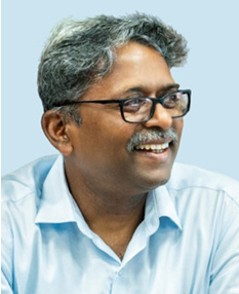
Dr. Rajan N. Khobragade IAS
Rahul Krishna Sharma
National Health Mission (NHM)
Afsana Parveen IAS
Commissionerate of Food Safety (CFS)
Dr. D. Sajith Babu IAS
National AYUSH Mission Kerala (NAM)
Dr Reena K J
Directorate of Health Services (DHS)
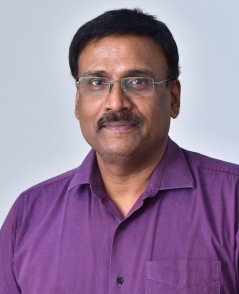
Dr. Viswanathan K.V
Directorate of Medical Education (DME)
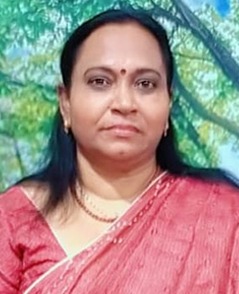
Dr. Preeya K S
Indian Systems of Medicine (ISM)
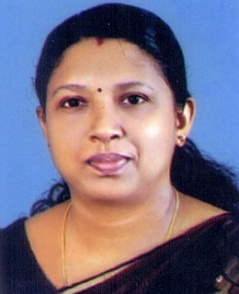
Dr. M.P. BEENA
Directorate of Homoeopathy (DH)